John Chapman (Johnny Appleseed)
September 26, 1774—March 18, 1845
Do not worry at being worried; but accept worry peacefully. Difficult but not impossible. - John Chapman
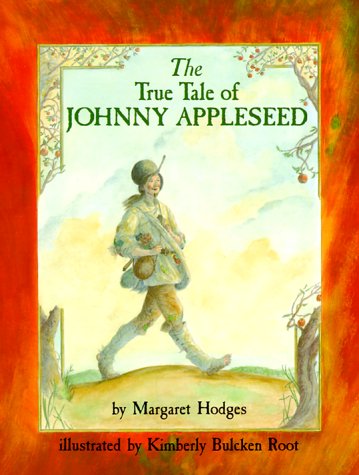
John Chapman earned his moniker "Johnny Appleseed" because of his dedication to planting apple trees and selling seeds and saplings to pioneers. An eccentric and nomadic figure, Johnny stood apart from the usual frontiersman. However, he became an American hero through his generosity and kindness, which was remembered by all who knew him.
Johnny was born in 1774 and grew up in the Province of Massachusetts Bay. He learned to grow apple trees from Mr. Crawford, a skill he would use for the rest of his life. Johnny started nurseries for apple saplings, which he would sell to pioneers making their way out West, and it was here that his good judgment first showed itself: rather than wandering at random, he planted his nurseries in the very places settlers would soon need them, staying one step ahead of the frontier's advance. His business was successful and could have made him very wealthy, but he was not interested in wealth. Johnny practiced generosity and would often give away saplings without payment. If he did receive payment, Johnny was quick to accept food or clothing instead of money. As a result, Johnny lived a very frugal life, choosing to help others rather than build his own wealth — a mark of the self-control that let him hold his own success loosely.
When he was not tending to his nurseries, Johnny would wander out West selling apple seeds, a journey that took courage, as it meant facing the dangers and uncertainties of the wilderness largely alone. During these journeys, he would stay at pioneers' homes. Regarded as a kind guest, Johnny was always welcome. He would entertain his hosts by telling stories of his adventures or reading from his Bible, which he carried with him, his favorite passage being the Sermon on the Mount. To repay the generosity of his hosts, Johnny would perform any tasks and chores he could to help the settlers, treating their hospitality with a respect he was careful never to take for granted.
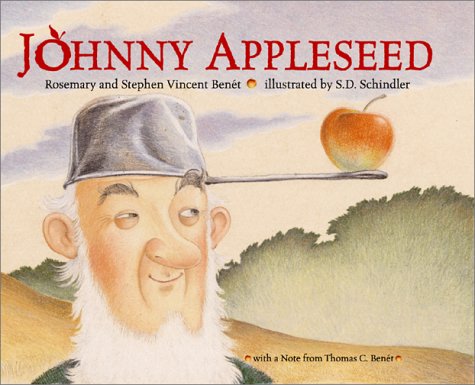
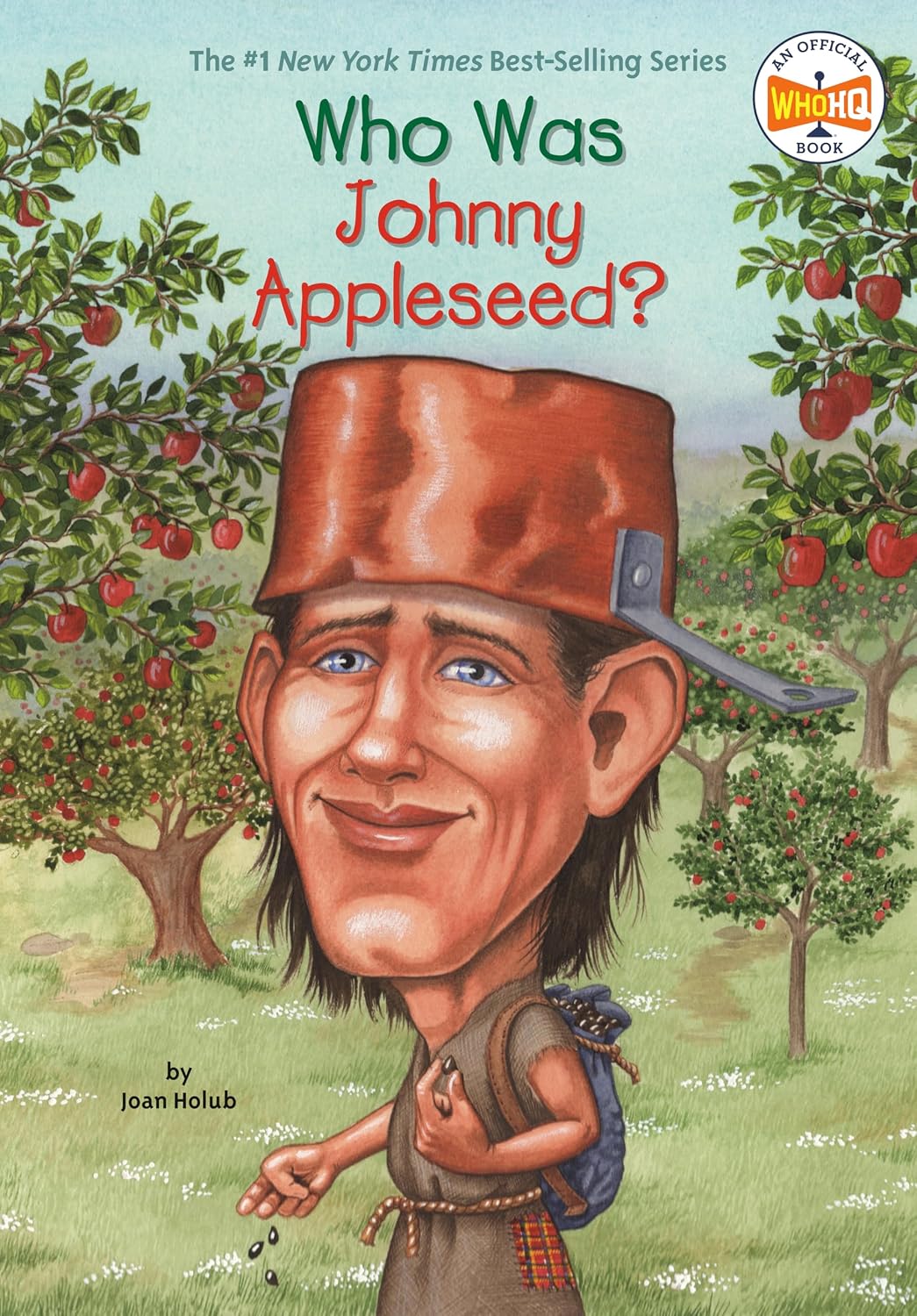
The frugal lifestyle of Johnny meant that he was a curious figure to look at. He often dressed in old coffee bags that he traded for, wore a tin cap for a hat, and had no shoes. These clothes offered little protection from the elements, but Johnny persevered with joy. Even in the winter, Johnny would walk through the deep snow barefoot, an endurance few men of his time could claim. A newspaper after his death wrote about him, saying, "he submitted to every privation with cheerfulness and content." Johnny continually chose to be joyful in his poverty, since through it he could give more to others — a humility that saw no shame in owning little, so long as others had enough.
In 1845, Johnny died in a friend's house in Indiana, but his legacy lived on. His life had made an impact on the nation. Upon hearing of his death, Senator Sam Houston said, "Farewell, dear old eccentric heart. Your labor has been a labor of love, and generations yet unborn will rise up and call you blessed." Johnny not only left behind stories of his actions, but many of the apple trees growing in Pennsylvania and Ohio came from seeds that he himself planted.