




Hillsdale College

Prudence

Know how to act in pursuit of the good.

Prudence, or “practical wisdom,” is the cardinal virtue that consists in right reasoning and correct knowledge about what is to be done. The habit of prudence belongs to reason itself, rather than to the will or to any of the passions. It is what enables us to determine accurately what is the morally good thing to do under particular circumstances. Prudence, therefore, governs all other moral virtues and directs them to the ways that can best attain their own ends.

For Grades K-2:

The virtue of prudence gives us the ability to think clearly and wisely about what is the right and good thing to do. 

For Grades 3-6:

The virtue of prudence, or “practical wisdom,” gives us the ability to reason correctly about the right course of action in any particular situation. Unlike virtues that govern our fears or desires, prudence belongs to reason itself, guiding and directing all moral choices. 


Featured Stories

The Magician's Nephew
C. S. Lewis
Grade 3-6

Story

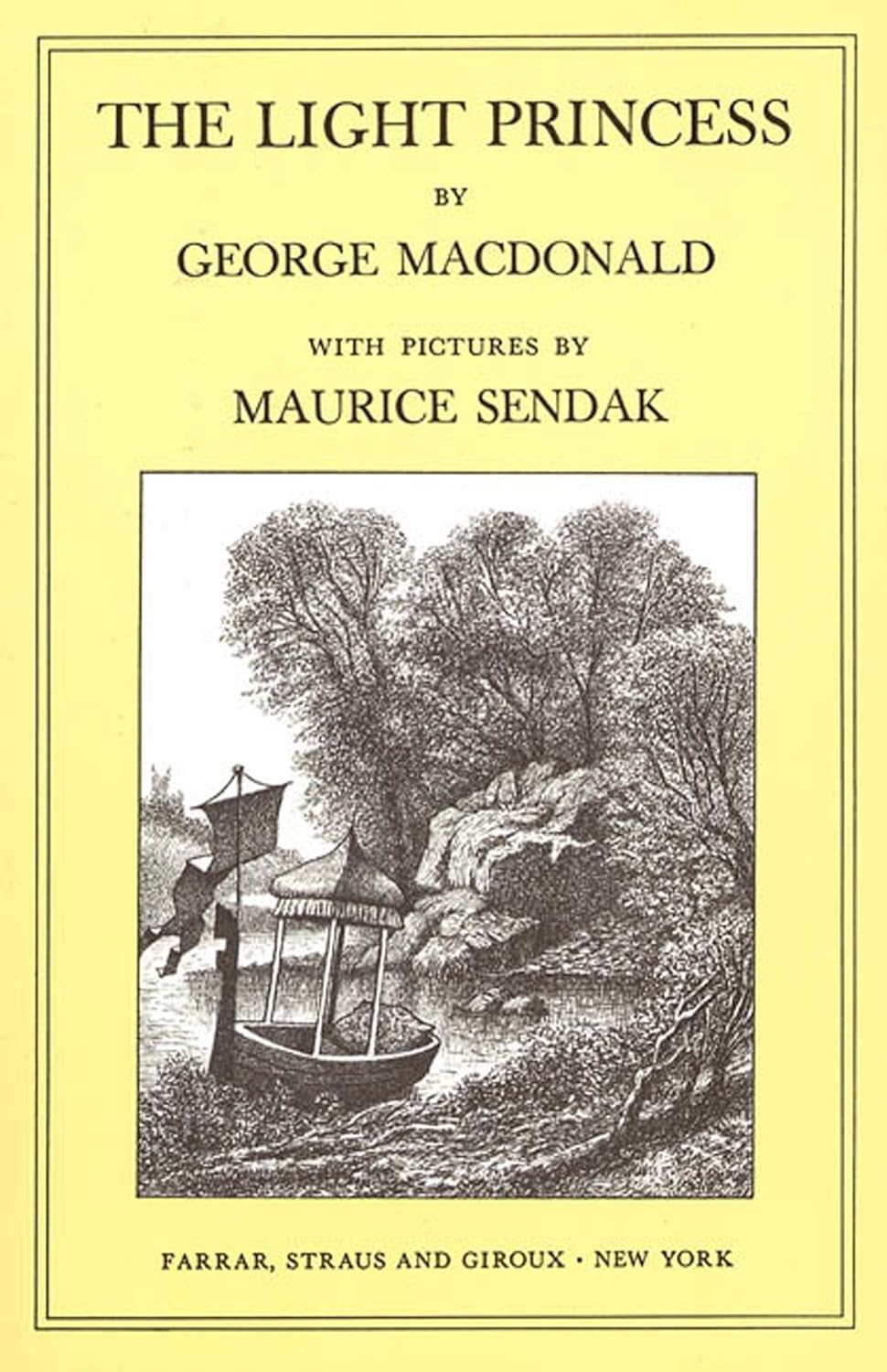
The Light Princess
George MacDonald
Grade 3-5

Story

The Silver Chair
C. S. Lewis
Grade 3-6

Story

The Biggest Bear
Lynd Ward
Grade K-2

Story

The Warrior and the Wise Man
David Wisniewski
Grade 1-3

Story

Elfwyn's Saga
David Wisniewski
Grade 2-4

Story


Featured Biographies

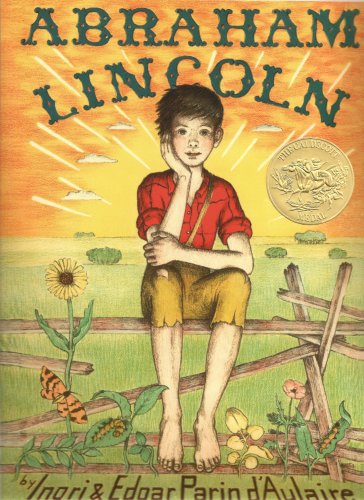
Abraham Lincoln
Ingri d'Aulaire
Grade 1-4

Biography

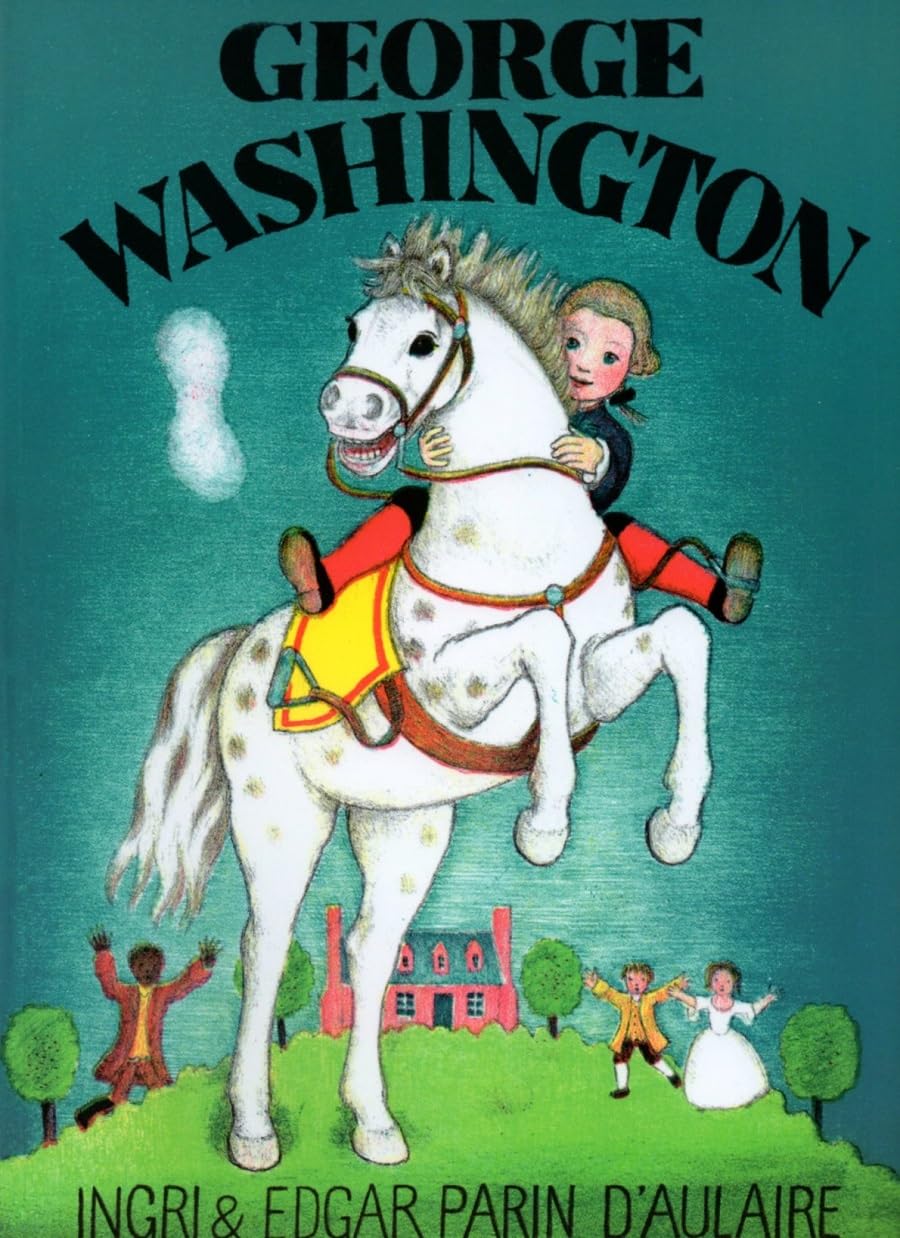
George Washington
Ingri d'Aulaire
Grade 1-4

Biography

Who Was George Washington?
Roberta Edwards
Grade 2-4

Biography

Traitor: The Case of Benedict Arnold
Jean Fritz
Grade 5-6

Biography

Lives of Virtue

Abraham Lincoln
Abraham Lincoln
Abraham Lincoln exemplified virtue through his steadfast commitment to justice and the preservation of the Union, guiding the nation with moral clarity and courage during its darkest hours.
George Washington
George Washington
Thanks to his integrity, humility, courage, and wisdom, George Washington has long been known as one of the greatest leaders in American history.