
.jpg)
Paul Revere
January 1, 1735—May 10, 1818
The Regulars are coming out! - Paul Revere
Born to French immigrants in 1735, Paul Revere grew up in Boston and became one of the most memorable names of the American Revolution. Paul was the third oldest of twelve children. His father was a silversmith by trade, which Paul also learned. In 1754, his father passed away, leaving his shop to Paul, who was at that time the eldest surviving son. However, Paul was still too young to legally run the store. He joined the provincial army during the French and Indian War, which provided consistent pay. After he returned, he took over the silver shop in his own name, a responsibility he had carried in practice since his father's death, long before it was legally his to bear.
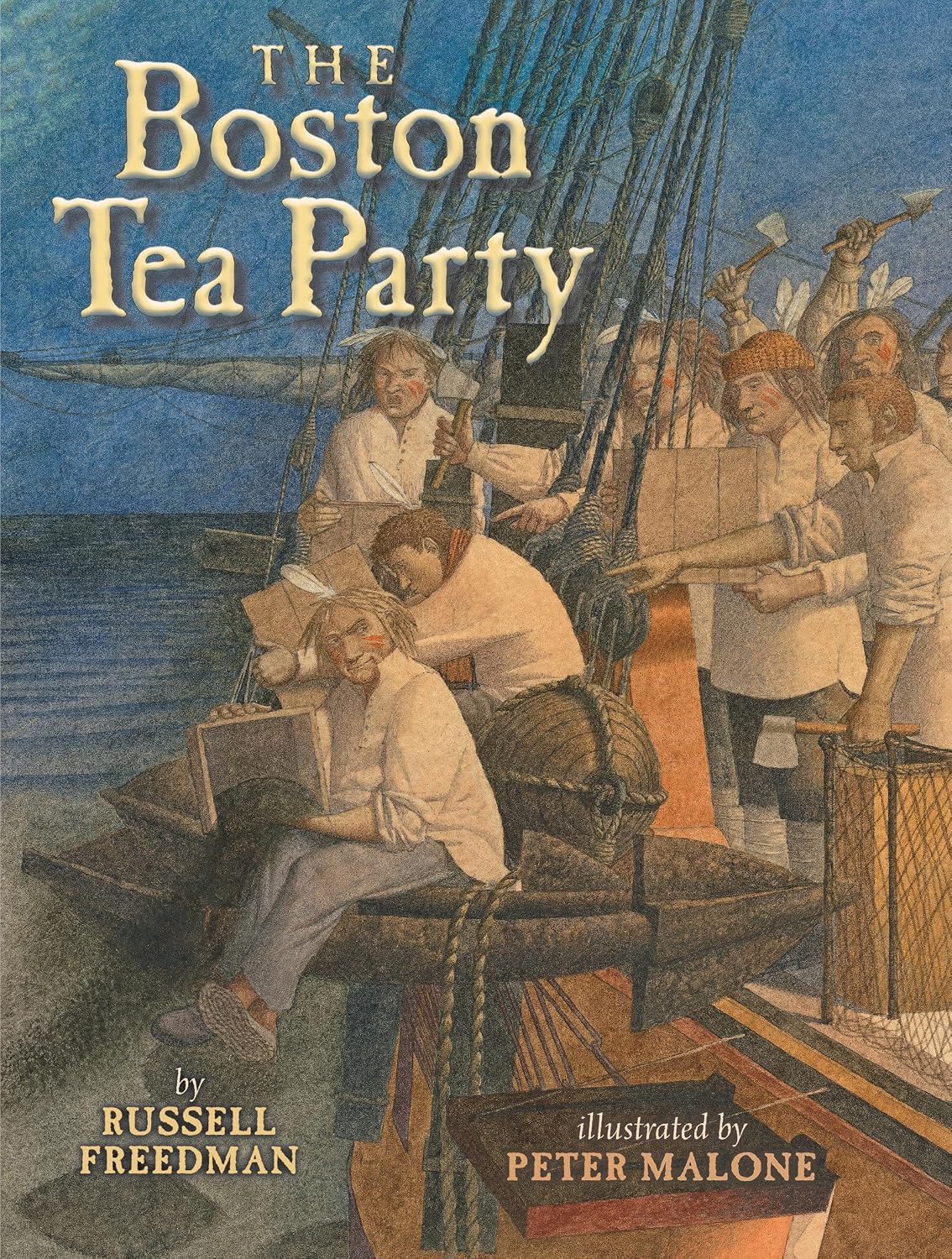
When the Revolutionary War broke out, Paul was eager to jump in. He became a part of the Sons of Liberty and participated in throwing British tea into the harbor, which would become known as the "Boston Tea Party." Paul exhibited courage, prepared to take risks to help his comrades. The most famous of these moments was his midnight ride in 1775. Here, Paul and another man, William Dawes, rode from Boston to Lexington to warn the local militia that the British were on their way to take away any military supplies from the town. Before setting out, Paul had already arranged for a signal to be hung in the steeple of the Old North Church — one lantern if the British came by land, two if by sea — so that word would still get out even if he himself never made it, a bit of good judgment that proved its worth before the night was through. On the way, the riders had to avoid British patrols. Paul arrived and alerted the militia, who mustered themselves in preparation to take on the British. But the saga did not end there; on his way back, Paul was stopped by a patrol, who questioned him as to what he had been doing. However, it was too late. The alarms rang from Lexington, signaling that the American minutemen were prepared to take on the British.
Paul's patriotism drove him to pursue a commission in the Continental Army, hoping to fight for liberty. However, Paul was denied a commission because he lacked military experience. An ardent patriot, Paul looked for other ways he could serve. He built another powder mill, which became a massive supplier of gunpowder for the patriots, and continued to shoulder the responsibility of tracking British troop movements around Boston long before and after his famous ride. In 1776, Paul was commissioned as an officer in the Massachusetts Militia.
Paul was not only a committed patriot but also committed to practicing friendship. At the Battle of Bunker Hill, one of Paul's friends, Joseph Warren, was killed. The bodies were placed in a mass grave and buried often without ceremony. Paul, with Warren's friends and family, went to the site to give Warren a proper burial. Finding which body was Warren's proved difficult until Paul recognized a false tooth and the fastener he had used for Warren (Paul also worked as a dentist to make extra money). He gave Warren a proper burial and marked the grave of his old friend.
The legacy of Paul Revere lives on in the minds of Americans. Henry Wadsworth Longfellow's poem "Paul Revere's Ride" immortalized the figure as a courageous hero of the Revolution. During the War of 1812, Paul, still a patriot, not only volunteered his services to help protect his home, Boston, but also circulated petitions for other artisans to do the same. After Paul's death in 1818, the route of his ride was marked, and many still reenact the famous ride.
Stories & Biographies
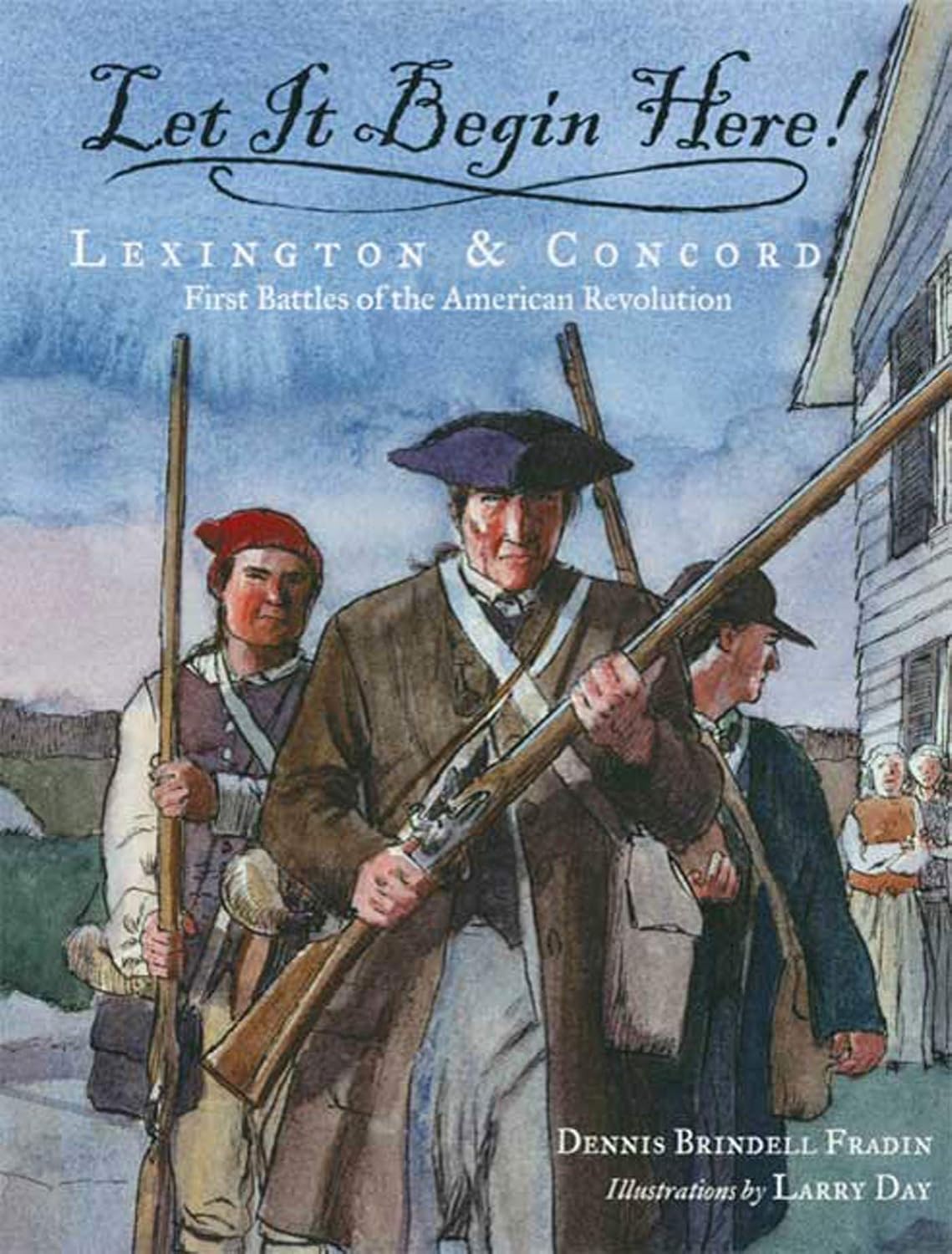
Grade 1-3
Story
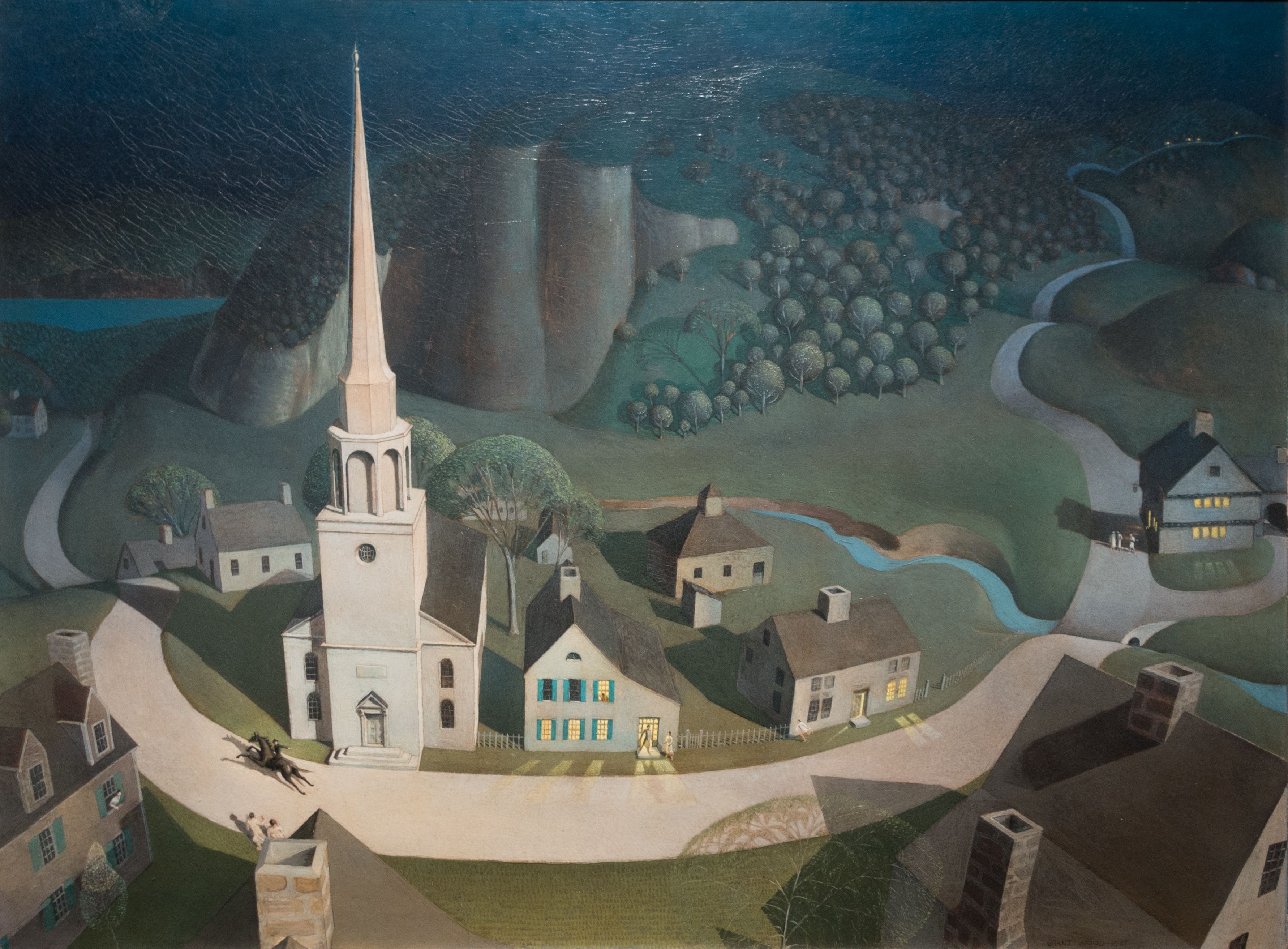
Listen, my children, and you shall hear Of the midnight ride of Paul Revere
By Henry Wadsworth Longfellow
Poems