Susan B. Anthony
1820—1906
The true republic: men, their rights and nothing more: women, their rights and nothing less. - Susan B. Anthony
Susan B. Anthony was born into a Quaker family in Adams, Massachusetts, where she was educated alongside her brothers — an uncommon opportunity for a girl of her time, and one that shaped her lifelong conviction that women deserved the same rights and dignity as men. From an early age, she showed a keen moral seriousness. By seventeen she was an ardent abolitionist, speaking out against slavery even when many believed it was inappropriate for a woman to raise her voice in public. She raised it anyway.
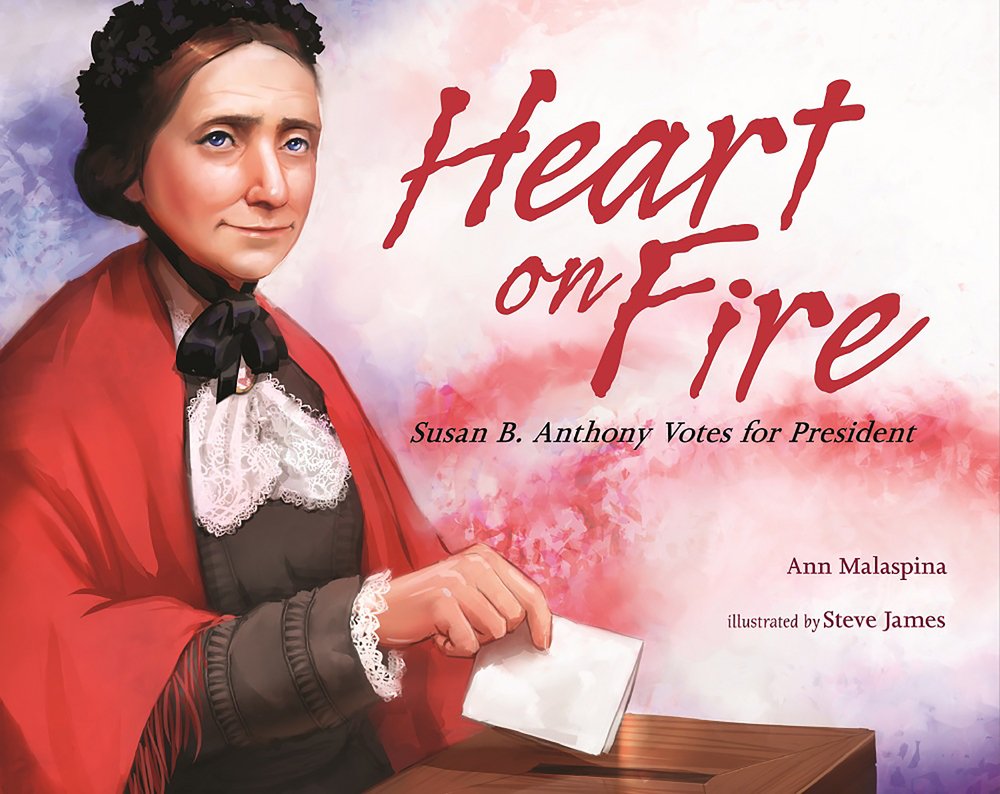
That willingness to act rightly regardless of social cost was the signature of Anthony's courage — not recklessness, but the steady resolve to pursue what she knew to be good in the face of real opposition. When she cast a ballot for President in Rochester, New York in 1872, she did so knowing she would be arrested. She was. Rather than retreat, she used her trial as a platform, drawing national attention to the injustice of a democracy that excluded half its citizens from the vote. Justice — giving what is due to every person — was the animating principle of her life. She understood that a country claiming to be founded on the equality of all people could not, with integrity, deny women the most basic instrument of self-governance.
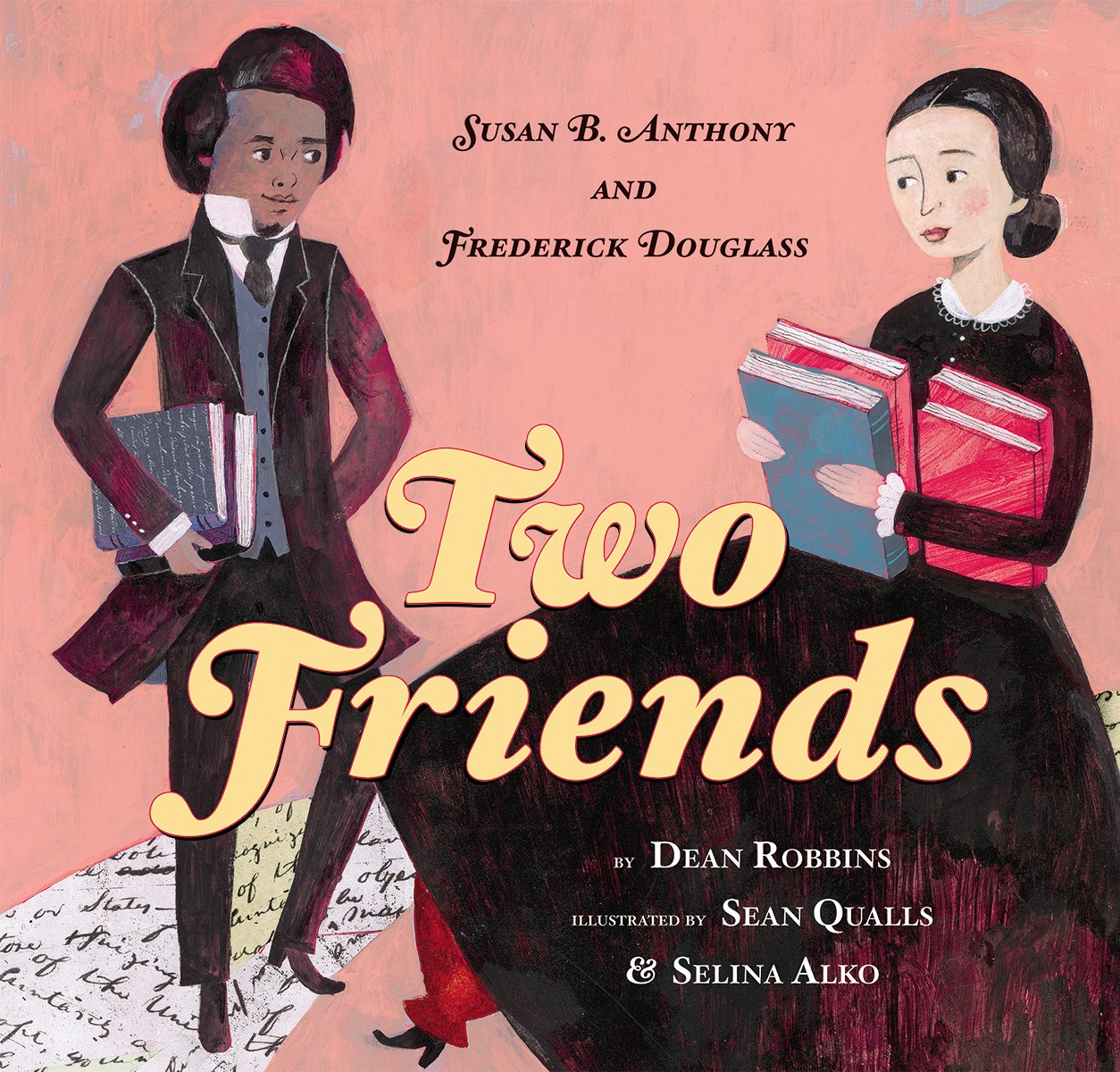
She did not pursue this cause alone. Her decades-long partnership with Elizabeth Cady Stanton was the engine of the women's suffrage movement, and together they founded the American Equal Rights Association to fight for women's right to vote. Anthony's earlier friendship with Frederick Douglass and William Lloyd Garrison had already demonstrated her capacity for friendship in the deepest sense — working alongside others for their true good and for a shared vision of justice, seeing their cause as inseparable from her own.
What makes Anthony's story especially remarkable is that she never saw the victory. She died in 1906, fourteen years before Congress passed the Nineteenth Amendment. Her life is therefore one of the great examples of perseverance in American history — persisting in good action through decades of continuous effort, public ridicule, legal prosecution, and repeated defeat, without surrendering to weariness or despair. She is reported to have said near the end of her life, "Failure is impossible" — not a boast, but a statement of steadfastness: the inner strength to continue striving for good things despite discouragement, sustained by a hope that the cause was right even when victory was nowhere in sight.
Susan B. Anthony's life reminds us that justice rarely arrives quickly, and that those who secure it for others often do so at great personal cost. Her patriotism, too, deserves recognition — she did not fight against her country but for it, demanding that America live up to the promises it had already made. She gave honor and service to her nation precisely by holding it accountable to its own ideals.
Stories & Biographies
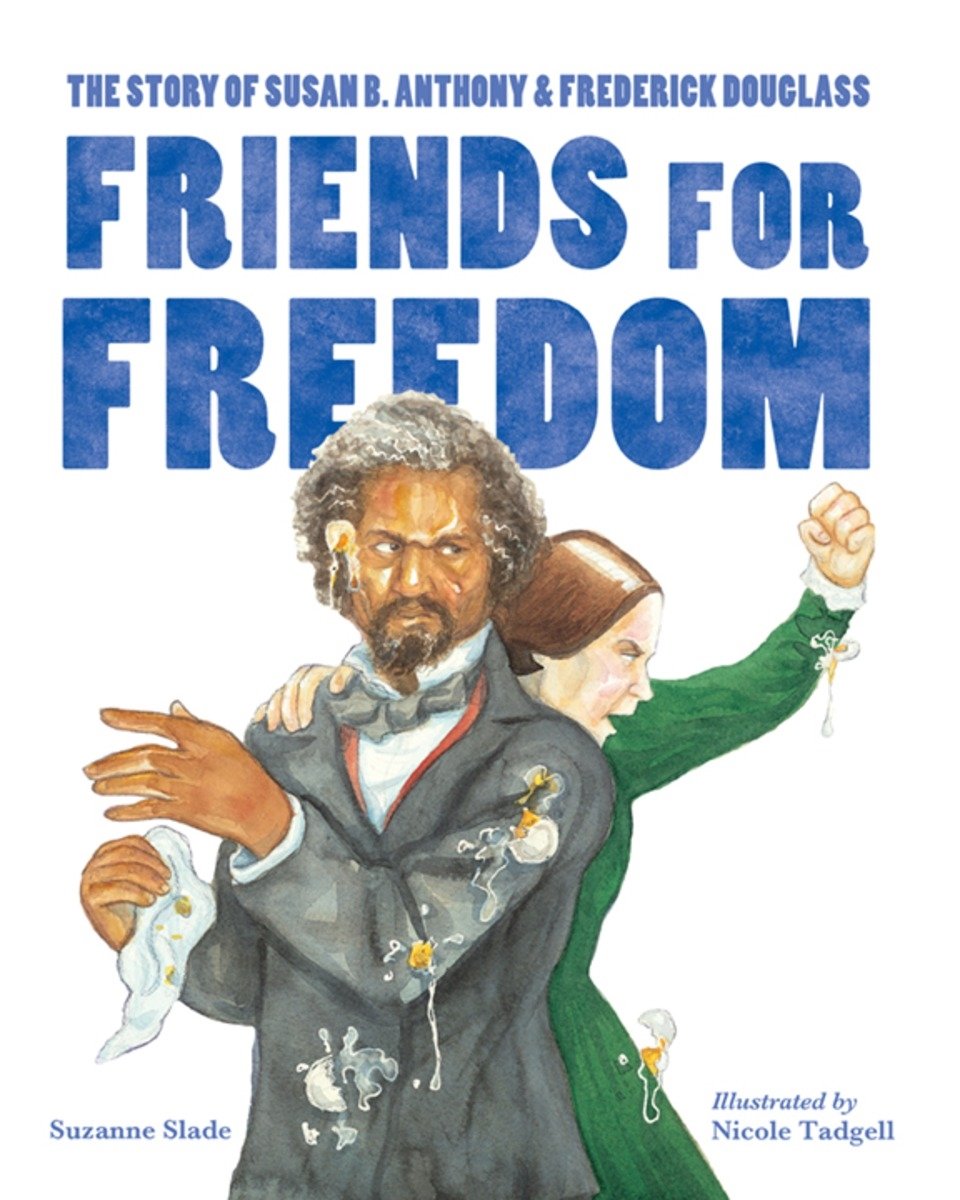
Grade 2-6
Biography
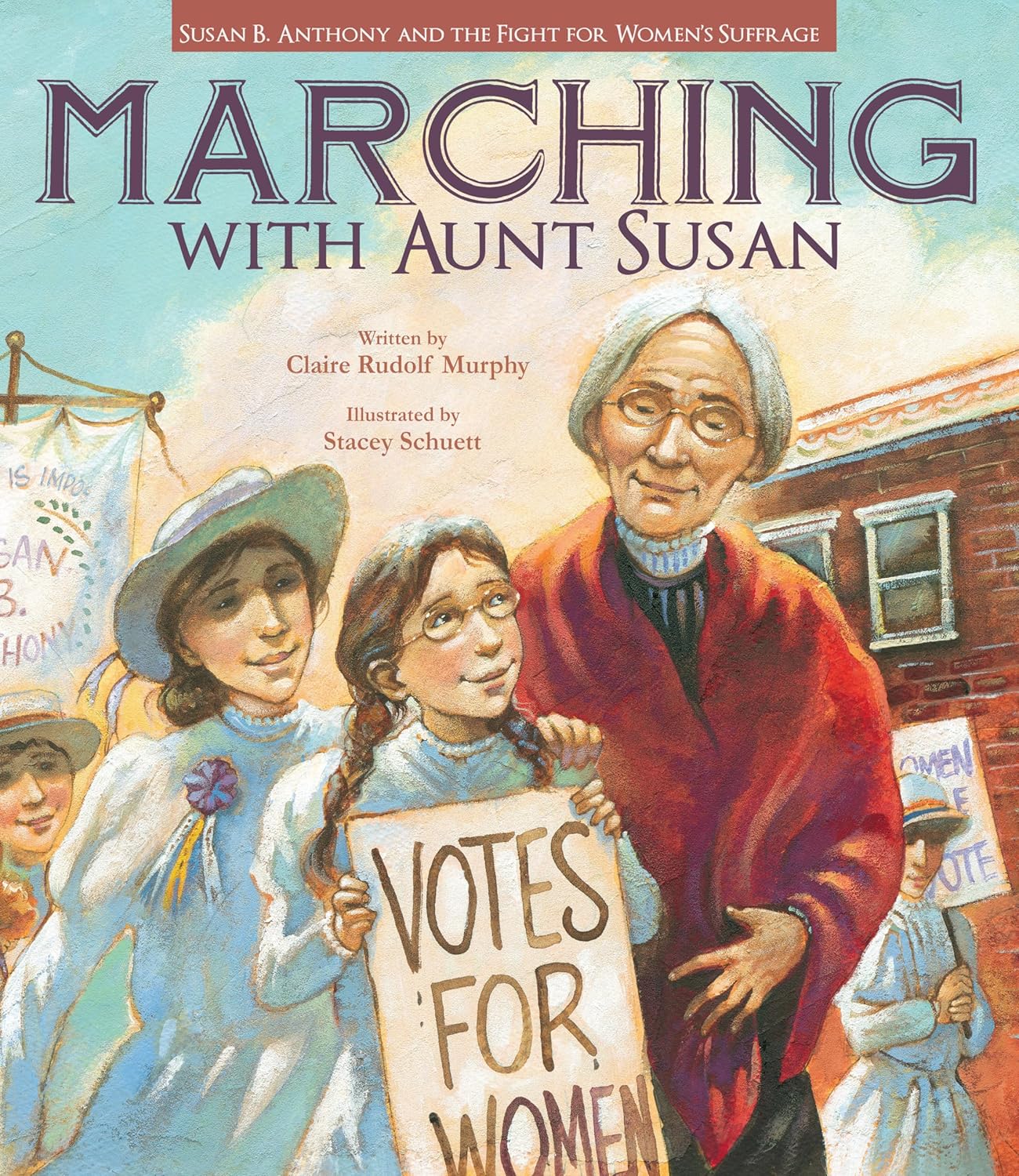
Grade 2-6
Biography