
Is Tom Sawyer a Noble Character?
by Ms. Jennifer Jackett, 5th Grade Teacher
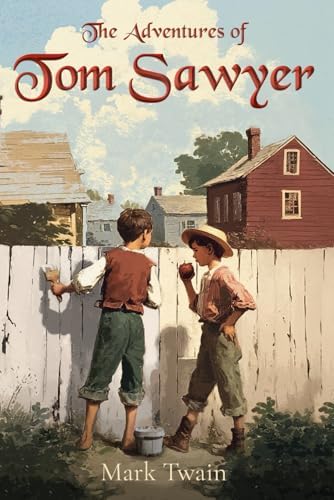
Is Tom noble? This is the question I ask my students to wrestle with as we read The Adventures of Tom Sawyer each year. This might seem like an easy question to answer. After all, even if you have not read Tom Sawyer, you are probably familiar with the scene of Tom tricking his friends into whitewashing the fence for him, a “privilege” he earned because he played hooky from school the day before. Aunt Polly wrestles with this question in her own way as well. After Tom runs off and is presumed to be dead, she says, “He warn’t bad, so to say, only mischeevous.”
There doesn’t seem to be much of a case for Tom’s nobility. Playing hooky, fighting the new boy in town, tricking his friends into whitewashing the fence, and running away and letting his family believe he is dead are just some of the antics Tom gets up to. Honestly, when framed in this way, the idea of reading Tom Sawyer to children seems ridiculous. How has this book become a classic, a must-read for children and adults alike?
So, if Tom is not particularly noble, why has this book endured through the generations? It is because Tom is us. He is human. He struggles with courage, moderation, justice, and prudence throughout the book, just as we struggle to practice these virtues consistently in our own lives. This is what makes Tom relatable. If Tom didn’t struggle, we wouldn’t find him believable, and if he wasn’t believable, we wouldn’t be able to use Tom’s journey to reflect on our own choices.
Generations of kids and adults have fallen in love with Tom Sawyer, but not just because of his antics. We fall in love with his goodness and his growth, even if we remember Tom more for his rascally behavior than his virtue. Tom shows tremendous courage when he is lost in the cave. He is afraid, but he remains steadfast for Becky. He becomes her protector. He learns to practice moderation, even if he does not perfect it. He tries to convince Huckleberry Finn that becoming a respectable member of society, one who gets up early, washes and combs his hair, wears respectable clothing, and attends church, is the right thing to do, even if it isn’t pleasurable in the moment. Tom exercises justice by putting his life on the line for the innocent, Muff Potter. He knows that by testifying against Injun Joe, he is as good as dead himself, but his conscience racks him, and he knows he must do the right thing. Tom is even beginning to hone his prudence. After joining the Knights of Temperance, he develops a strong desire to drink and swear, but once he is no longer a member and is no longer bound by his oath to refrain from these things, he restrains himself from partaking.
These are the conversations that I have with my students. Tom is not perfect. He struggles to embody the virtues, often letting his own desires get in the way of what is good and right. We do the same. Every day, we must choose to train our minds and hearts to do what is good and right. Little by little, we will develop the habits needed to become the virtuous people we want to be. Is Tom noble? No, he is not. But I have yet to meet a student, or even an adult, who is noble in all they say and do at all times. Tom is a wonderful example of a boy wrestling with his own human desires while striving to live a virtuous life. I hope my students try to model Tom's desire to become virtuous and strive for virtue as well.
As Mark Twain tells us, “This is the history of a boy, it must stop here; the story could not go much further without becoming the history of a man.” I believe that if we were to visit Tom in his manhood, we would find him a virtuous and noble man.